
GEOGRAPHY LEARNING HUB
Understand patterns, processes and place
Explore comprehensive Geography notes organised by major subject areas—not as a rigid chapter sequence. Move from the forces that shape the Earth to India’s physical and economic landscapes, human systems, disasters and map-based understanding.
Each subject is developed in depth while helping learners connect locations, physical processes, human decisions and contemporary issues for UPSC Prelims and Mains.
Physical Geography
Build the conceptual foundation for understanding the planet—from its cosmic setting and evolving landforms to atmospheric, oceanic and biospheric systems.
 COSMIC FOUNDATIONS
Universe & Solar System
Study the Big Bang, galaxies, stars, the Sun, planets and Earth’s motions to establish the astronomical setting of physical geography.
Open notes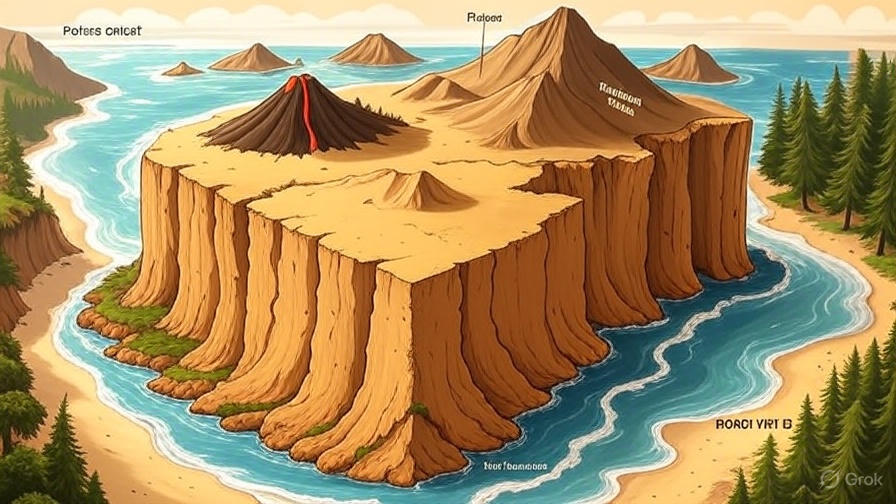 LANDFORM PROCESSES
Geomorphology
Understand Earth’s interior, rocks, plate tectonics, weathering, erosion and the processes that create and transform landforms.
Open notes ATMOSPHERIC SYSTEMS
Climatology
Examine atmospheric structure, insolation, heat budgets, pressure, winds and the circulation patterns that shape weather and climate.
Open notes OCEAN SYSTEMS
Oceanography
Explore ocean-floor relief, marine deposits, seawater properties, currents, waves and tides as parts of an interconnected Earth system.
Open notes
 BIOGEOGRAPHY AND SOIL GEOGRAPHYSoil genesis, degradation, classification and biotic distribution10 direct notes
Geography of India
Connect India’s physical setting with agriculture, hazards, development choices and the regional patterns central to General Studies.
 PHYSIOGRAPHIC FOUNDATIONS
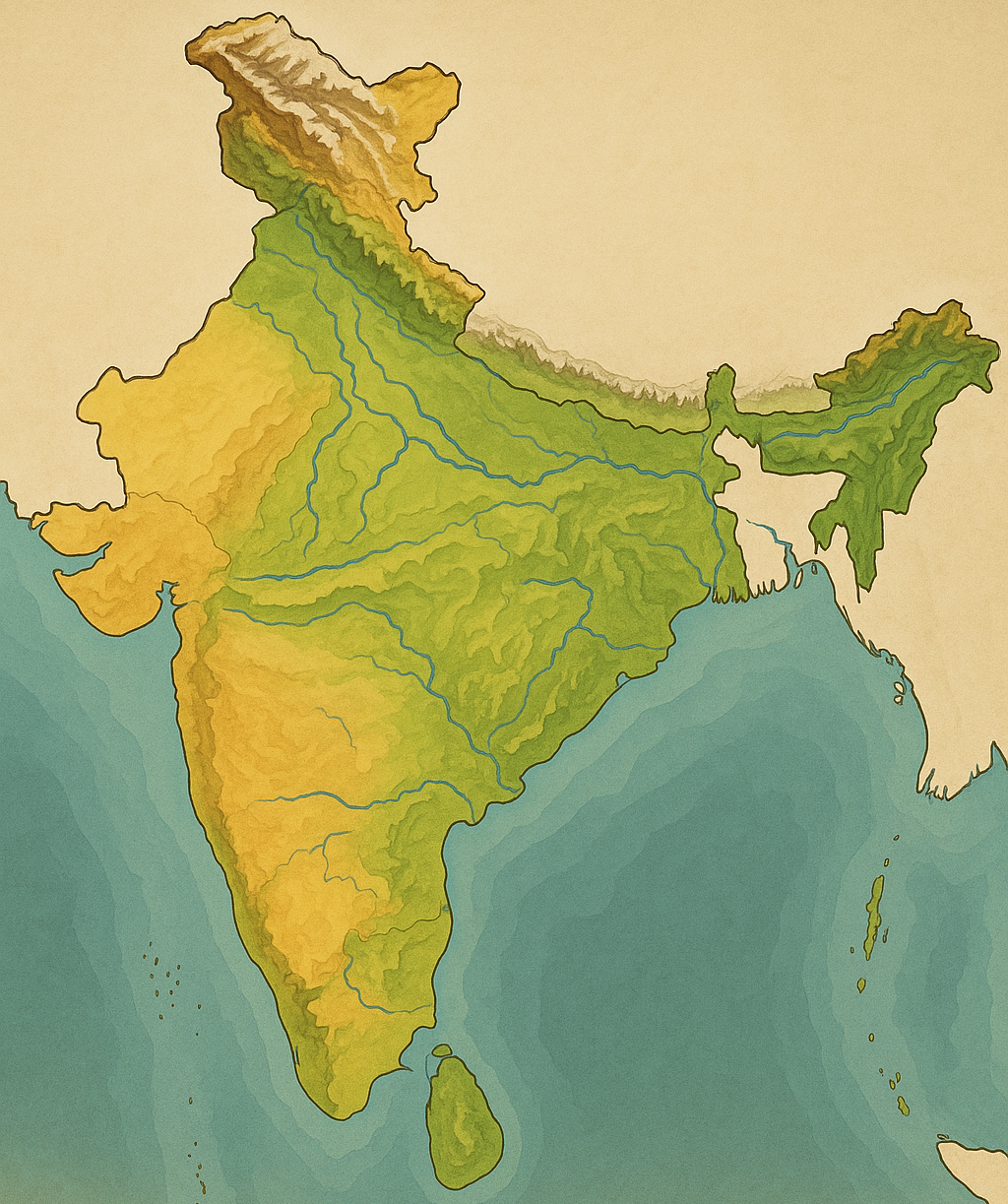
Indian Physical Geography
Study the Himalayas, Northern Plains, Peninsular Plateau, drainage, coasts and islands as an integrated physical framework.
Open notes LAND, LIVELIHOODS & FOOD
Indian Agriculture
Examine irrigation, inputs, land reforms, cropping and allied sectors through the relationship between resources, livelihoods and policy.
Open notes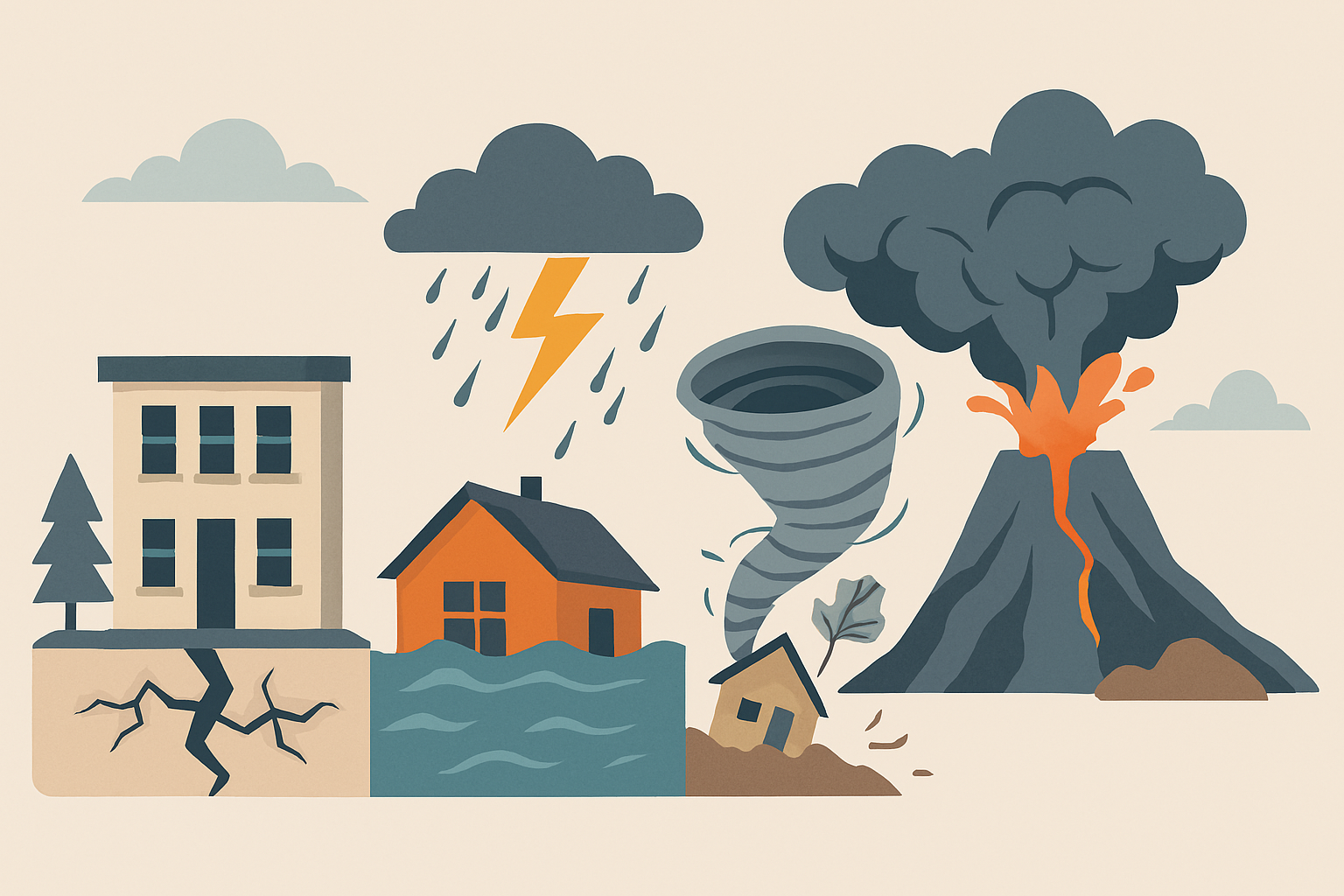 HAZARDS & RESILIENCE
Disaster Management
Link hazards and vulnerability with India’s disaster cycle, legal framework, institutions, preparedness, mitigation and resilience.
Open notesHuman & Economic Geography
Study how people, resources, livelihoods and economic activities are organised across space, and why patterns of development differ between regions.
 HUMAN PATTERNS
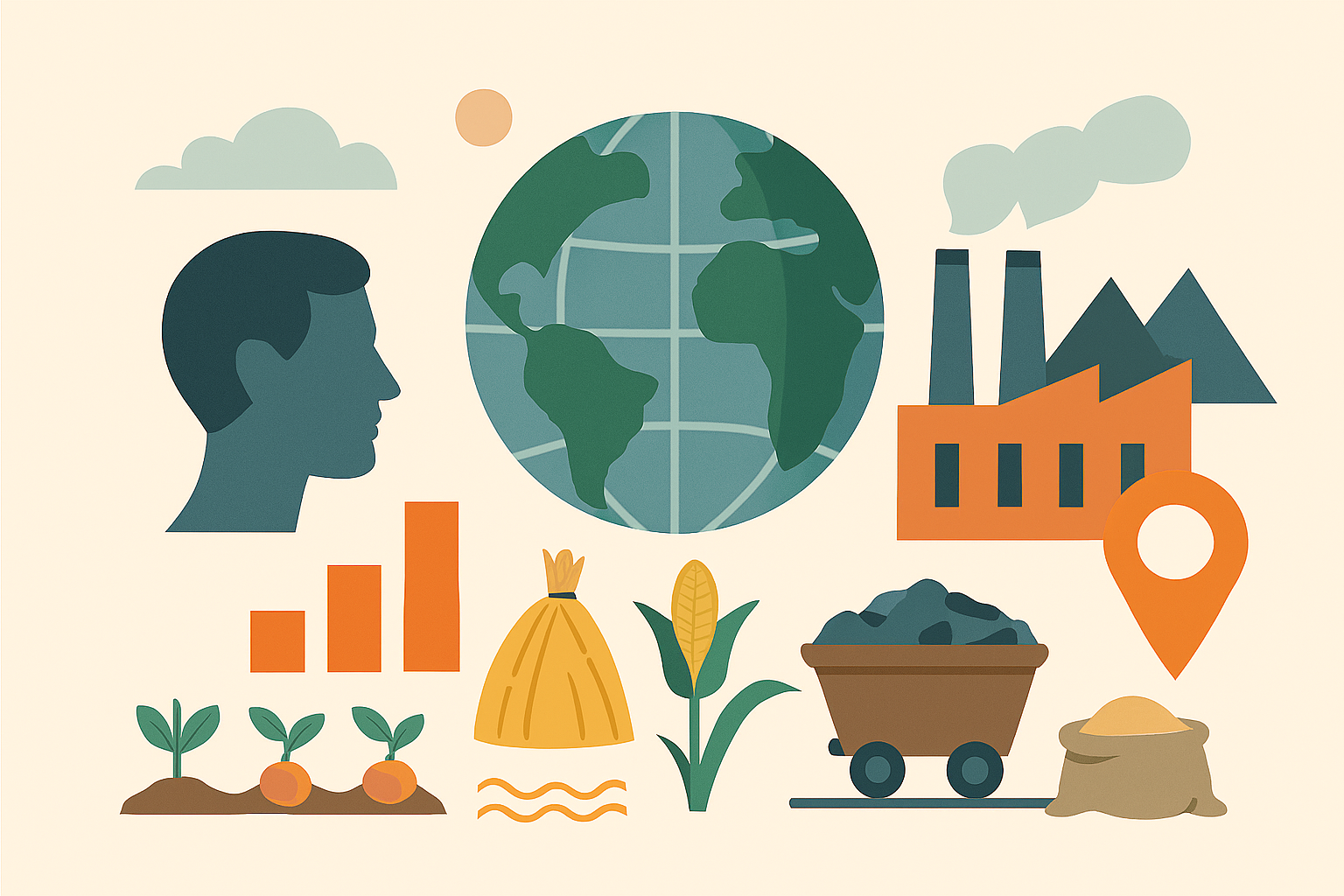
Human & Economic Geography
Understand population, cultural diversity, communities, resources and regional development through the spatial relationships between society and economy.
Open notesWorld Mapping
Build a separate map-based practice pathway for locating important political regions, physical features and places relevant to current affairs.
 SPATIAL ORIENTATION
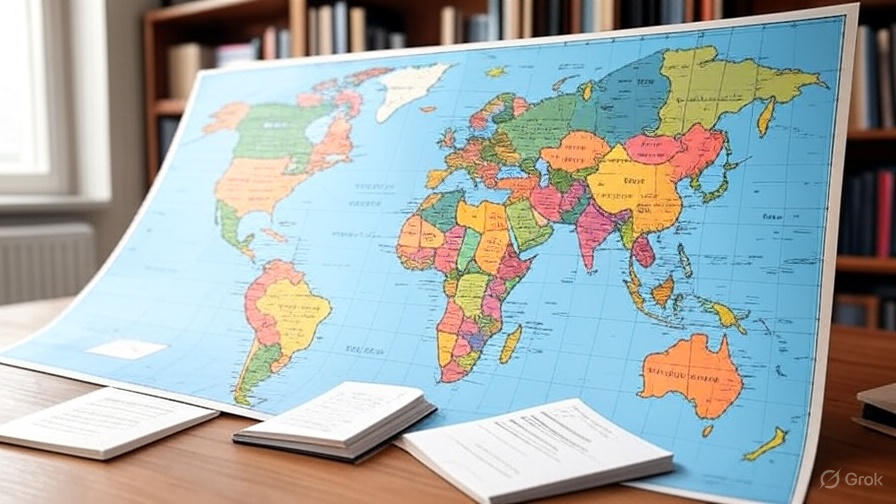
World Mapping
Revise political locations, rivers, mountain ranges, deserts, lakes, seas and islands across continents through labelled maps and spatial associations.
Open notesMove from location to explanation
Strong Geography preparation combines spatial recall with causal reasoning. Use maps and diagrams to organise facts, then explain how processes interact across scales.
Locate
Place the feature, region or process accurately on a map.
Explain
Identify the physical and human forces producing the pattern.
Connect
Relate environment, society, economy and public policy.
Apply
Use examples, diagrams and current developments in answers.
Think across systems and scales
Geography becomes analytical when learners connect processes rather than study them in isolation. Plate tectonics shapes relief; relief influences climate and drainage; soils and water affect agriculture; resources and hazards influence settlement, livelihoods and regional development.
Use these subjects to build a layered understanding—from global Earth systems to India-specific patterns and local human consequences. This approach supports factual precision in Prelims and multidimensional explanation in Mains.