
PAPER I + PAPER II LEARNING HUB
Build depth across concepts, theories and regions
Explore comprehensive Geography Optional notes organised around the syllabus rather than a rigid chapter sequence. Begin with core Earth systems, deepen optional-specific theories and models, then apply them to India, regions, maps and contemporary geographical issues.
The notes retain conceptual depth while using clear explanations, diagrams, thinkers, comparisons and spatial connections for sustained Optional preparation.
Understand Earth as an interconnected system
Build the conceptual base across cosmic setting, landforms, atmosphere, oceans, soils and life. Each subject is approached through processes, spatial patterns and optional-level explanation.
 COSMIC FOUNDATIONS
Universe & Solar System
Establish the astronomical setting of Earth through the origin of the universe, galaxies, the solar system and planetary motions.
Open notes LANDFORM PROCESSES
Geomorphology
Develop a process-based understanding of Earth’s interior, tectonics, weathering, erosion and landform evolution.
Open notes ATMOSPHERIC SYSTEMS
Climatology
Study atmospheric structure, energy balance, circulation, air masses, weather systems and climatic classification.
Open notes MARINE SYSTEMS
Oceanography
Connect ocean-floor relief, temperature, salinity, currents, waves and tides with wider Earth-system processes.
Open notes
 BIOGEOGRAPHY AND SOIL GEOGRAPHYSoil genesis, degradation, classification and biotic distribution13 direct notes
Extra Topics of Geomorphology for Geography Optional
Move beyond the foundational geomorphology notes into the evolution of thought, classical and modern models, slope and channel studies, periglacial environments, and applied and climatic approaches. Expand a panel to access its direct topic links.
Geomorphic thought, isostasy and geosynclines 7 topics
Geomorphic cycles, land development and slopes 14 topics
Channel morphology 4 topics
Periglacial geomorphology 3 topics
Applied geomorphology 4 topics
Climatic geomorphology 2 topics
Advanced topics across climate and oceans
Use these optional-specific pathways after completing the corresponding foundation notes. Each panel opens into direct topic pages without making the main page visually overwhelming.
EXTRA TOPICS OF CLIMATOLOGYAir masses, anticyclones and climatic classifications5 direct notes
EXTRA TOPICS OF OCEANOGRAPHYCoral-reef theories and theories of ocean tides9 direct notes
Move from spatial patterns to theories and models
Begin with the conceptual foundation, then progress to Optional-specific perspectives, thinkers and models. The emphasis is on explanation, comparison and application rather than isolated factual recall.
 CONCEPTUAL FOUNDATION
Human & Economic Geography for GS
Build the foundation in population, resources, economic activity and regional development before moving to optional-level theory.
Open notes OPTIONAL-SPECIFIC DEPTH
Human Geography for Geography Optional
Study perspectives, models and theories with the analytical depth, thinkers and applications required for Geography Optional.
Open notesDefine
Clarify the concept, perspective or model.
Locate
Show the spatial expression with a map.
Evaluate
Compare assumptions, strengths and limits.
Apply
Use Indian and contemporary examples.
Interpret India through regions, resources and development
Connect India’s physical foundations with hazards, agriculture, livelihoods and regional outcomes. Use Paper I concepts as analytical tools rather than treating Paper II as a separate factual syllabus.
 PHYSICAL SETTING
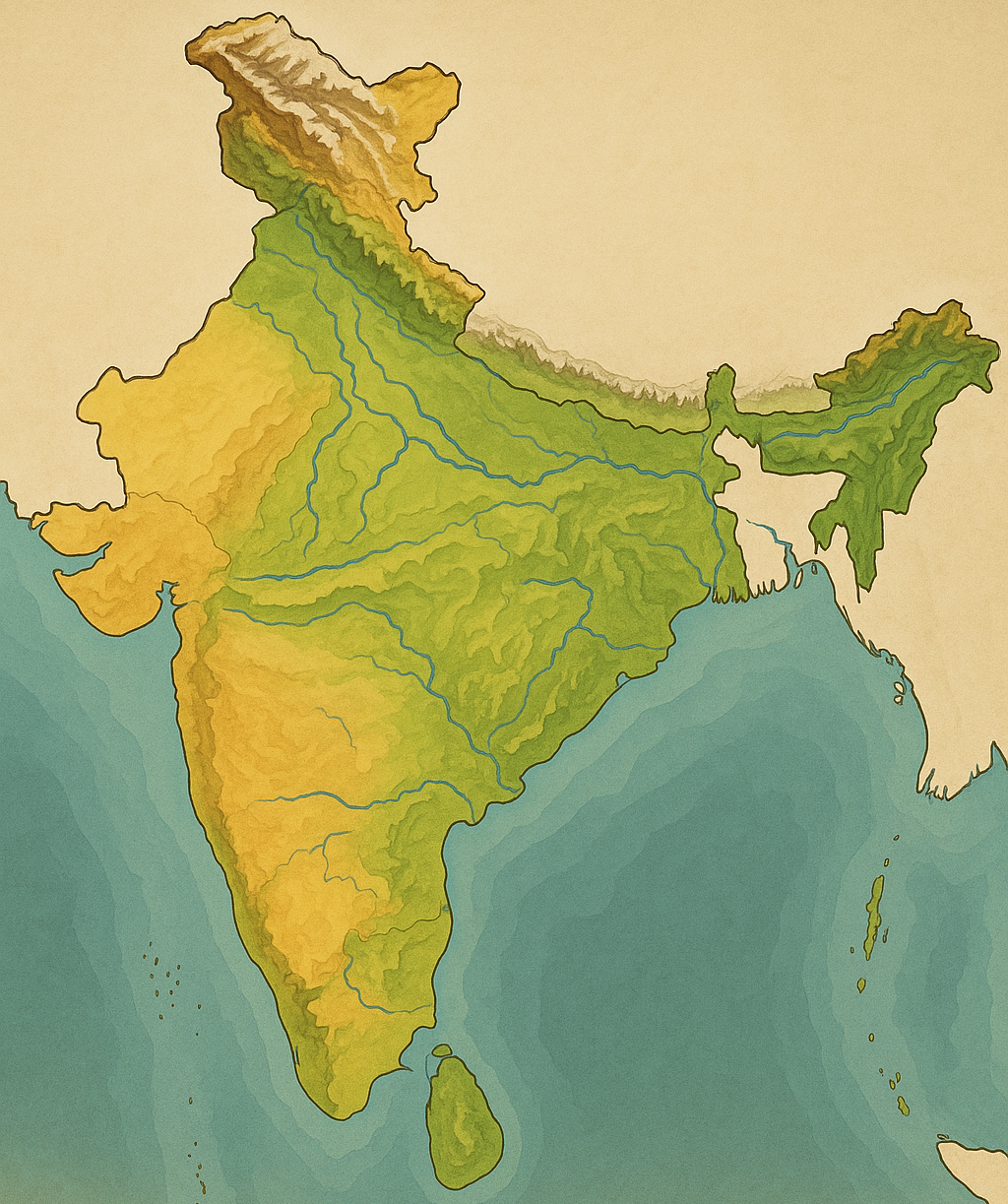
Indian Physical Geography
Understand India’s structure, relief, drainage, climate, soils and vegetation as an integrated regional system.
Open notes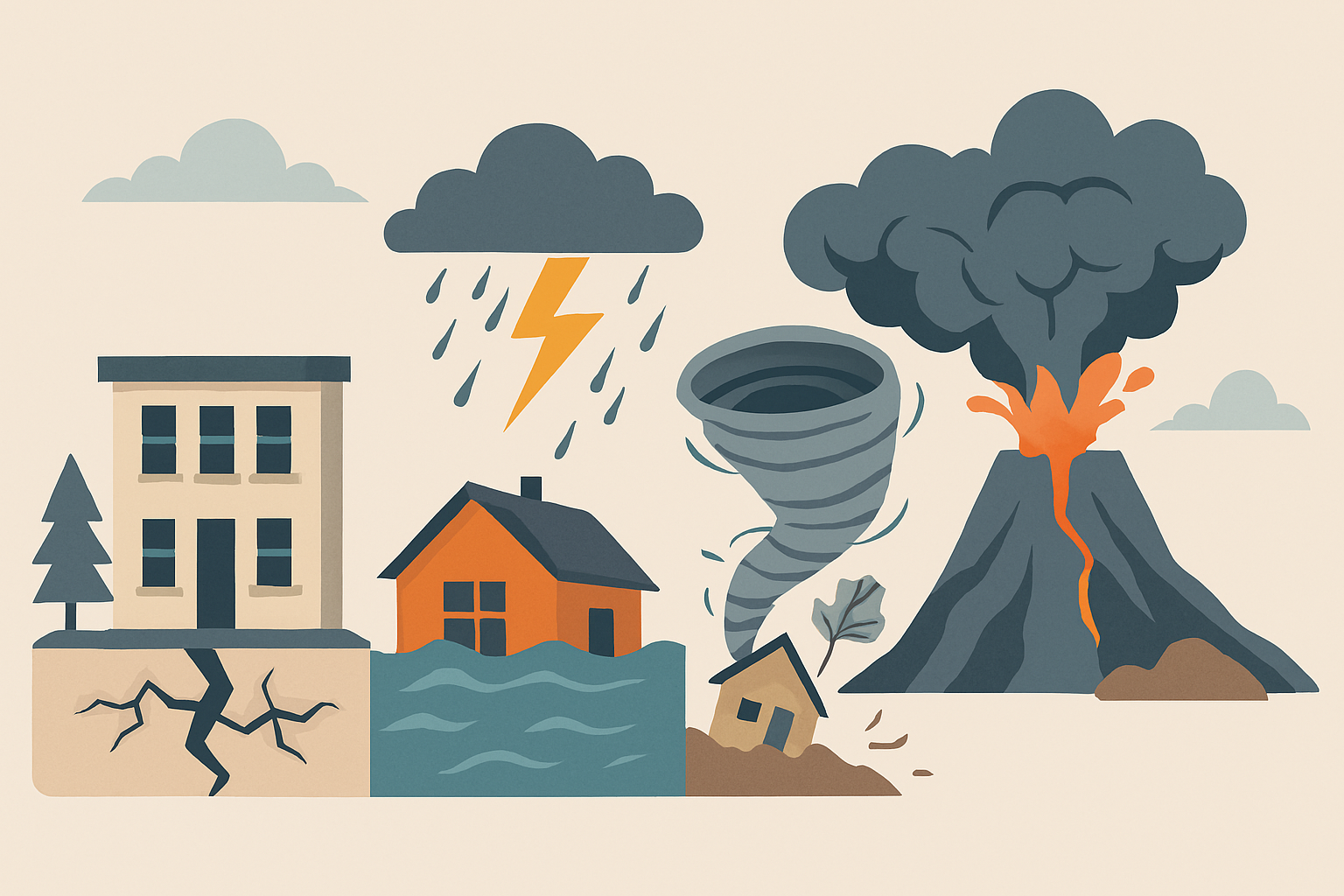 HAZARDS AND RESILIENCE
Disaster Management
Relate physical hazards to vulnerability, institutions, mitigation, preparedness and region-specific resilience.
Open notes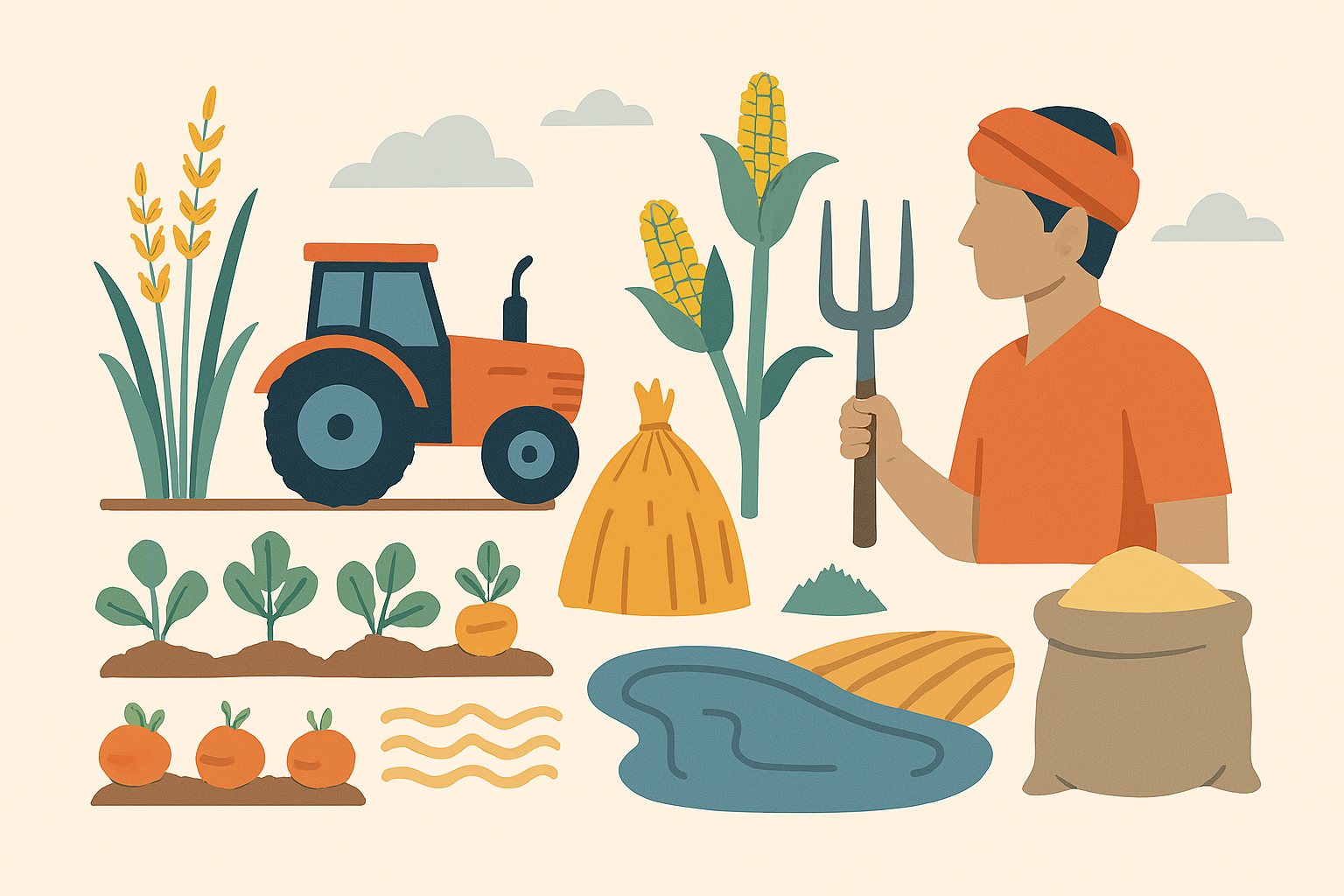 LAND, FOOD AND LIVELIHOODS
Indian Agriculture
Connect agro-climatic conditions, cropping, irrigation, land use and allied sectors with regional development.
Open notesExtra Topics of Indian Agriculture for Geography Optional 6 direct notes
Make location part of every explanation
Mapping is not a separate memory exercise. Use it to organise examples, establish regional context and add spatial precision to Optional answers.
 SPATIAL ORIENTATION
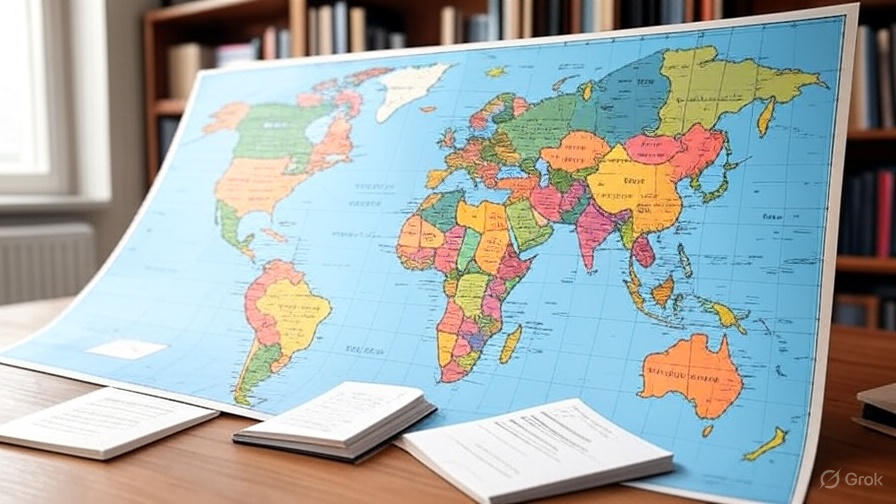
World Mapping
Strengthen locational recall across continents, political regions, rivers, mountains, deserts, lakes, seas and islands—and connect places in the news with Paper I and Paper II arguments.
Open notesMove from concept to geographical argument
Optional preparation becomes stronger when theory, process, region and evidence are revised together. Build every answer around a clear geographical relationship.
Understand
Establish the concept, process, thinker or model.
Visualise
Add a map, diagram, profile, flow or spatial pattern.
Critically assess
Compare viewpoints, evidence, relevance and limitations.
Apply
Use regional, Indian and contemporary illustrations.
Think across papers and scales
Use Paper I to build the vocabulary of processes, theories and spatial organisation. Use Paper II to test those ideas against India’s regions, resources, hazards and development pathways. Mapping, diagrams and contemporary examples should connect both papers throughout your preparation.