
Zinc
If lead is the metal of weight and radiation shielding, zinc is the metal of protection — especially of other metals. You may not see it, but it’s working silently to prevent rust, ensure battery function, and aid biological life. Let’s unpack this.
What is Zinc? (Basic Characteristics)
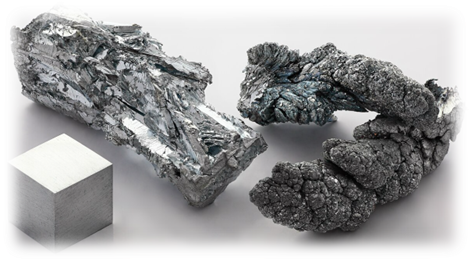
Zinc, a chemical element with the symbol Zn, is a bluish-grey or silvery-white metal — quite different in appearance from the duller lead.
- It has a low melting and boiling point, which means it becomes liquid or gas at relatively lower temperatures compared to many metals.
- Unlike lead, zinc is more reactive — and it plays a vital biological role.
In fact, after iron, zinc is the second most abundant trace metal in the human body. It’s not just industrially useful — it’s essential for growth and development in humans, animals, and even plants.
Where is Zinc Found? (Occurrence and Ores)
The most important ore of zinc is Sphalerite, which is essentially zinc sulphide (ZnS).
- Sphalerite often occurs along with galena (lead sulphide), pyrite (iron disulphide), and other sulphide minerals.
- These are found mostly in veins — meaning long, narrow zones where mineral-rich solutions once flowed and deposited metals.
This co-occurrence of zinc with lead and iron sulphides is what makes mining and metallurgy interconnected for these metals.
How is Zinc Formed in Nature? (Geological Formation)
Zinc ore deposits are formed through multiple complex processes. Let’s understand them one by one:
a. Hydrothermal Activity
Just like in the case of lead, hot mineral-rich fluids deep in the Earth dissolve zinc and other metals. As these hydrothermal fluids move and cool, they deposit zinc into veins or pockets.
b. Sedimentary Exhalative (SEDEX) Deposits
This is quite fascinating. Underwater volcanic vents (hydrothermal vents on the ocean floor) release metal-rich fluids. As these mix with seawater, zinc precipitates on the sea floor — forming layered zinc-rich deposits.
This is called exhalative because the process resembles underwater “breathing out” of metals.
c. Mississippi Valley-Type (MVT) Deposits
Named after deposits found in the USA, these occur when hot brines (salty solutions) travel through limestone formations. As they cool and interact with the rock, zinc is precipitated.
These deposits are economically significant — often forming large, high-grade ore bodies.
d. Weathering and Oxidation
Over time, existing zinc sulphide deposits weather (break down due to exposure to air and water). This leads to the formation of oxidised zinc minerals like:
- Smithsonite (zinc carbonate)
- Hemimorphite (zinc silicate)
These secondary minerals can accumulate to form new ore deposits near the surface.
How is Zinc Used? (Applications in the Modern World)
Zinc is a multi-utility metal, serving in many sectors:
i. Batteries
Zinc is a critical component in:
- Zinc-carbon batteries
- Alkaline batteries
- Zinc-air batteries
These are used in torches, hearing aids, remote controls, etc.
ii. Galvanisation and Alloys
About 75% of all zinc is used for:
- Galvanising iron and steel: This means coating iron/steel with zinc to protect it from rusting. This is critical in construction and automobile industries.
- Forming alloys:
- Brass (zinc + copper)
- Bronze (zinc + copper + tin)
- Zinc-aluminum alloys (used in die casting and precision components)
iii. Zinc Compounds
The remaining 25% is used in industries through compounds like:
- Zinc oxide (used in rubber, cosmetics, sunscreens)
- Zinc sulphate (used in fertilizers and animal feed)
- Zinc chloride (used in chemicals and textile processing)
What About Recycling? (Sustainability of Zinc)
Now here comes a key point — zinc is recyclable, but unlike lead, its recycling rate is lower.
Why? Because:
- Lead usage is concentrated in large batteries, which are easier to collect and recycle.
- Zinc, being used across diverse products — coatings, alloys, etc. — becomes harder to recover economically.
Still, secondary zinc is recovered from:
- Pure zinc scrap
- Sheet cuttings
- Zinc roofings
- Old zinc anodes
- Zinc-based alloys
So while recycling exists, it’s less organised and less efficient compared to lead.
In Summary:
Zinc is a silent protector in our industries — shielding iron from rust, powering batteries, and helping living beings function properly. Its formation involves both hydrothermal and sedimentary processes, and its applications stretch from galvanising steel to making fertilizers.
Yet, we must focus more on zinc recycling, not only for sustainability but also to reduce mining pressure and environmental degradation.