
Other Important Critical Minerals
ZIRCONIUM: The Heat-Resistant All-Rounder 😊
Properties
Zirconium is a greyish-white metal. Though soft and ductile (easily shaped), it is highly corrosion-resistant, which makes it useful in harsh chemical and nuclear environments.
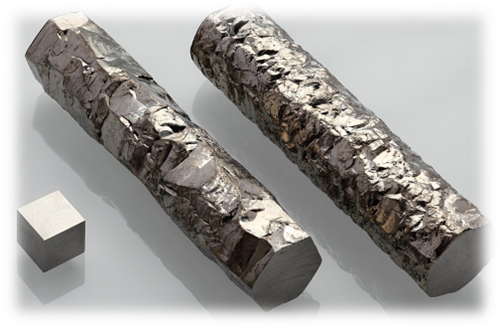
Its mineral form Zircon (ZrSiO₄) stands out for:
- Thermal shock resistance (it can handle sudden temperature changes without breaking)
- Low thermal conductivity
- Chemical inertness (doesn’t react easily with other substances)
These qualities make it valuable not just industrially, but also aesthetically (as zircon gemstones).
Uses
- Ceramic industry (e.g., tiles, glass)
- Electrical capacitors
- Medical implants
- Nuclear reactors (due to corrosion resistance and low neutron absorption)
- Superalloys and even gemstones
Occurrence
Zirconium doesn’t occur freely. It’s mainly extracted from:
- Zircon – a heavy mineral found in beach sands.
- Also found with ilmenite, rutile, monazite, leucoxene, garnet in heavy mineral sand assemblages.
- A rarer mineral, Baddeleyite (ZrO₂), is also important but less common.
Reserves and Production in India
- India has 36.56 million tonnes of zircon resources as of March 2020
- Production in 2019–20: 15,600 tonnes.
- Found in many coastal states: Gujarat, Maharashtra, Karnataka, Andhra Pradesh, Tamil Nadu, Kerala, Odisha, West Bengal.
Global Scenario
- World reserves: 68 million tonnes (in ZrO₂ terms) as of 2023
- Major holders:
- Australia – 71%
- South Africa – 9%
- Senegal – 4%
- World production (2022): 1.44 million tonnes.
- Australia leads (37%), followed by South Africa (22%) and Mozambique (7%).
BERYLLIUM: The Light but Mighty Metal
Properties
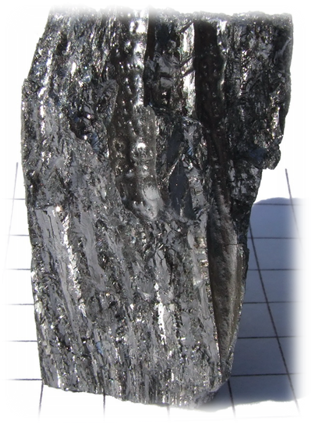
- A steel-grey, light, yet brittle metal.
- Chemically resembles aluminium.
- Has a high melting point, excellent thermal conductivity, and low density.
- Unique ability: Transparent to X-rays — rare for a metal.
Occurrence
- Not found in free form.
- Extracted from:
- Beryl – forms beautiful gemstones like emerald and aquamarine.
- Bertrandite
Uses
- Nuclear reactors and aerospace (due to lightweight + high performance).
- Semiconductors: improves electrical performance.
- Medical imaging: used in X-ray windows.
- Alloys: enhances strength without adding weight.
Global Production and Reserves (2024)
- Reserves: The world’s identified resources of beryllium have been estimated to be more than 100,000 tons. About 60% of these resources are in the United States
- USA dominated global production (~50%) as of 2024
- Major producers: USA followed by Brazil and China
NIOBIUM: The Superconductor
Properties
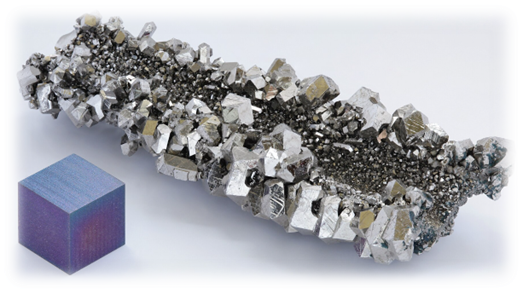
- Grey metal, resembles steel, soft, ductile.
- Corrosion-resistant and notable for being superconductive at low temperatures (can carry electricity with zero resistance).
Sources
- Found in minerals like:
- Columbite-tantalite (coltan) – shared with tantalum.
- Pyrochlore – major commercial source.
Uses
- Nuclear reactors, aerospace, and electronic components.
- Also used in orthopaedic and dental implants due to biocompatibility.
- Improves steel strength in construction and pipelines.
Global Producers and Reserves (2024)
- Reserves: dominated by Brazil(16MT)
- Production: dominated by Brazil: 91% of total world’s production
TANTALUM: The High-Tech Metal
Properties
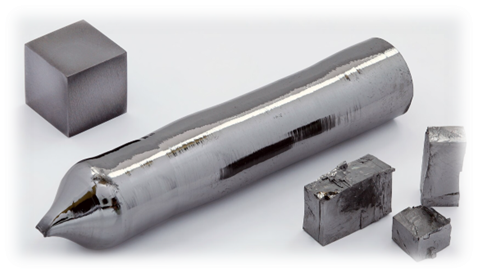
- Bright silver-grey, very hard, dense, and corrosion-resistant.
- High melting point – surpassed only by tungsten and rhenium.
- It is biocompatible, so can be used safely in the human body.
Source
- Extracted from:
- Columbite-tantalite (coltan) – shared with niobium.
- Recent discovery: Sutlej River sand, Punjab, India.
Uses
- Capacitors: Excellent for smartphones, laptops — store more electricity in smaller spaces, with low leakage.
- Medical implants: Highly safe due to its biocompatibility.
- Aerospace, defence, superalloys, chemical equipment, lab instruments, etc.
- Often considered a substitute for platinum in high-temp environments due to similar properties but lower cost.
Top Producers
- Democratic Republic of Congo (DRC)
- Brazil
- Rwanda
- Nigeria
- China
By understanding these minerals’ unique properties, industrial applications, and geological occurrence, one can appreciate why they’re called critical minerals — indispensable for both national security and modern technology.