
Colonial and Post-Mughal Miniature Traditions
(18th – 19th C.)
Company School of Painting
Origin and Development
The Company School of Painting emerged in the 18th–early 19th centuries under the patronage of the British East India Company.
- First centre: Murshidabad
- Later spread to → Calcutta, Madras, Varanasi, Delhi, Lucknow, Patna, Thanjavur, Bangalore
This school represents a hybrid art form, blending → Indian subjects, Western techniques, Colonial documentation needs
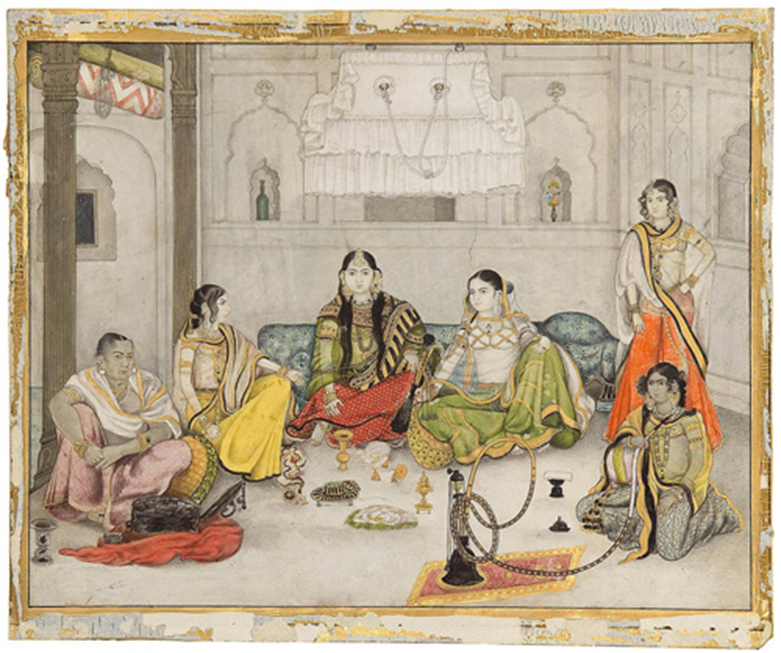
European Influence
Company paintings were created for British patrons, not Indian courts. As a result, artists adopted → Linear perspective, Light and shade, Anatomical realism, Naturalistic backgrounds
👉 Indian miniature traditions were re-oriented to suit European tastes.
Key Characteristics
1. Documentation-Oriented Art
- Detailed depiction of → Indian flora and fauna, Architecture and monuments, Costumes, castes, professions
- Paintings functioned as visual records, almost proto-photographic.
2. Colour and Technique
- Soft, muted palettes; Watercolour wash technique; Clean, refined finish
3. Everyday Life as Subject
- Markets, Festivals, Occupational groups, Landscapes and cityscapes
→ “Exotic India” for European eyes
4. Portable Format
- Painted on paper (sometimes cloth)
- Easy to transport to Britain as albums or souvenirs
Important Artists
- Mazhar Ali Khan, Ghulam Ali Khan, Ghulam Murtaza Khan
Landmark Work: The Delhi Book
- Album of 120 Company-style paintings
- Commissioned in 1844
- Patron: Sir Thomas Metcalfe
- Documents:
- Monuments of Delhi
- Final years of the Mughal court
UPSC hook:
Company painting = colonial documentation through Indian hands
Patna School of Painting (Patna Kalam)
Origin and Development
Also known as Patna Kalam, this school developed in Bihar during the 18th–19th centuries.
- Centres → Patna, Danapur, Arrah
It emerged when artists migrated to Patna after the fall of the Nawab of Bengal (mid-18th century).
Patronage came from → Local Indian aristocracy, East India Company officials
This style represents a fusion of Mughal, Company, and folk traditions.
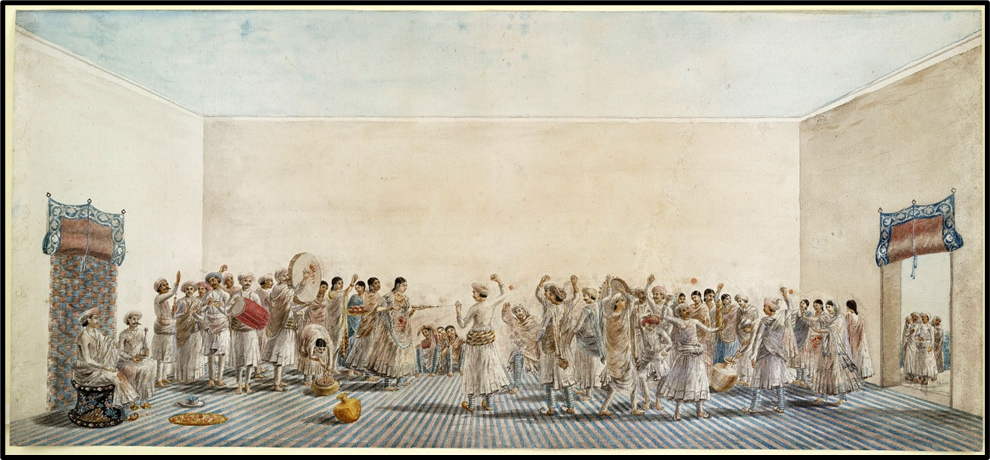
Distinctive Features
1. Folk Art Influence
- Strongly rooted in Bihari folk life
- Less courtly, more grounded
2. Medium and Technique
- Transparent watercolours
- Painted on → Paper, Mica (gives translucent, glass-like effect)
- Direct brushwork → No pencil sketching, Painted straight with brush
3. Composition
- Minimal or no background
- Focus entirely on the subject
- No decorative borders (unlike Mughal art)
4. Colour Palette
- Earthy, Muted, Subtle tones emphasising realism
5. Subject Matter
- Markets, Festivals, Rituals, Trades and professions
→ Daily life of Patna, not royalty
UPSC hook:
Patna Kalam = folk realism + mica medium + everyday life
Company vs Patna Paintings: Comparative Understanding
Similarities
- Realistic depiction of Indian life
- Everyday subjects (markets, professions, festivals)
- European techniques like perspective and shading
- Portable media (paper/mica)
- Soft, muted colour palettes
Differences
| Aspect | Company School | Patna School |
|---|---|---|
| Patronage | British colonial elites | Indian aristocrats + Company |
| Artistic Influence | Strong European | More indigenous, folk |
| Subject Focus | Exotic India, monuments, flora-fauna | Local Bihari life |
| Technique | Refined, layered, scenic | Direct brushwork |
| Background | Detailed, elaborate | Minimal or absent |
| Medium | High-quality paper/cloth | Paper and mica |
Bazar (Bazaar) Paintings
Nature and Purpose
Bazar paintings (also called tourist paintings) emerged in 19th-century India to cater to → Western tourists, Colonial officials, Budget buyers
These were → Mass-produced, Commercial, Made with cheaper materials
Characteristics
- Simpler techniques
- Brighter, sometimes crude colours
- Less refined execution
- Popular, religious, or everyday themes
While sometimes grouped with Company paintings, they are distinct in quality and intent.
Company vs Bazar Paintings
| Aspect | Company Style | Bazar Style |
| Audience | British elites | Tourists, common buyers |
| Purpose | Documentation, records | Souvenirs |
| Technique | Precise, realistic | Loose, simplified |
| Colour | Muted, naturalistic | Brighter, casual |
| Refinement | High | Low to moderate |