
Gypsum
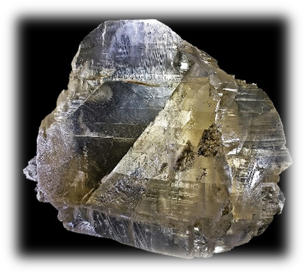
Gypsum is a hydrated calcium sulphate mineral with the chemical formula CaSO4·2H2O.
- It appears as a white, opaque or transparent mineral.
- It occurs mainly in sedimentary rock formations — such as limestones, sandstones, and shales.
There are different varieties of gypsum based on texture and appearance, including:
- Selenite (transparent, crystalline),
- Alabaster (fine-grained, used for carving),
- Satin spar (fibrous, silky luster).
Unique Physical Property
Gypsum’s industrial importance comes from its ability to lose about 75% of its combined water of crystallisation when heated moderately to around 130°C. This process is called calcination.
- The resulting calcined gypsum, when mixed with water, forms a paste.
- This paste can be shaped and dried, resulting in a rock-like substance that hardens quickly.
➡️ This property is the basis for plaster of Paris (POP), widely used in construction, medical casts, and art.
Applications of Gypsum
Gypsum’s usefulness spans several industries:
| Application Area | Details |
|---|---|
| Fertiliser Industry | Used to produce ammonium sulphate fertiliser; improves soil nutrient content. |
| Cement Industry | Acts as a setting regulator, making up 4-5% of cement to control the hardening process. |
| Agriculture | Improves soil moisture retention and enhances nitrogen absorption by plants. Also acts as a neutraliser, balancing acidic soils and improving soil permeability. |
| Construction | Used for making plaster, wallboards, and decorative mouldings. |
Geological Occurrence
Gypsum forms mainly by evaporation in sedimentary basins where seawater or lake water evaporates, leaving behind gypsum beds. This explains why it is commonly found in limestones, sandstones, and shale formations.
Global and Indian Reserves and Production
Global Production Leaders:
- China is the largest gypsum producer worldwide, followed by Iran, Thailand, the USA, and others.
India’s Reserves and Production:
- Total gypsum reserves in India stand at about 1,330 million tonnes (2015).
- Rajasthan alone holds 81% of India’s gypsum reserves — making it the heartland of gypsum mining in India.
- Major gypsum deposits are found in Jodhpur, Nagaur, and Bikaner districts of Rajasthan.
- Rajasthan dominates production, contributing 99% of India’s gypsum output.
- Small quantities come from Tamil Nadu (especially Tiruchirappalli district) and Jammu & Kashmir.
Why Gypsum is Important for India
- Gypsum supports key industries like fertiliser production and cement manufacturing, both critical to India’s infrastructure growth and agricultural productivity.
- Rajasthan’s dominance means gypsum mining is a crucial part of the state’s mineral economy.