Morphology of Human Beings
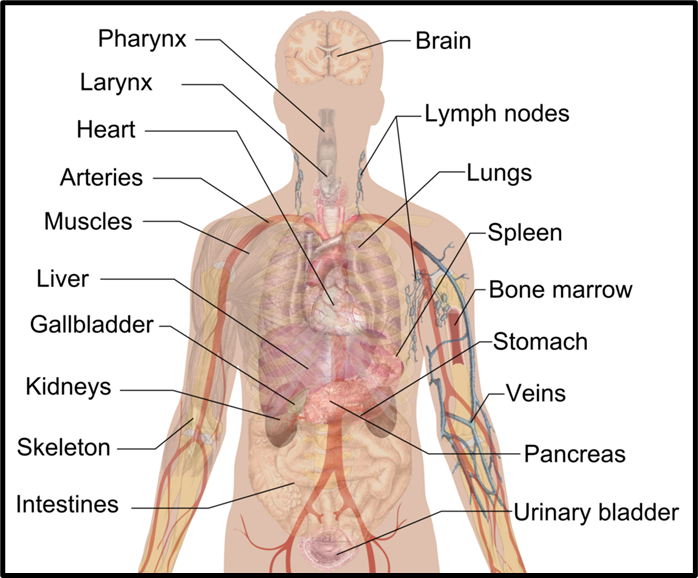
To understand human morphology effectively, it is helpful to view the body not as isolated parts but as an integrated system where structure and function go hand in hand. From the basic body plan to complex regulatory systems like the nervous and endocrine systems, each component contributes to survival, coordination, and adaptation.
| System / Aspect | Components / Structure | Key Features / Functions |
| Body Plan | Bilateral symmetry | Body can be divided into two equal halves |
| Head, trunk (thorax & abdomen), limbs | Organized body structure for specialization | |
| Bipedal posture | Walking on two legs; frees hands for complex tasks | |
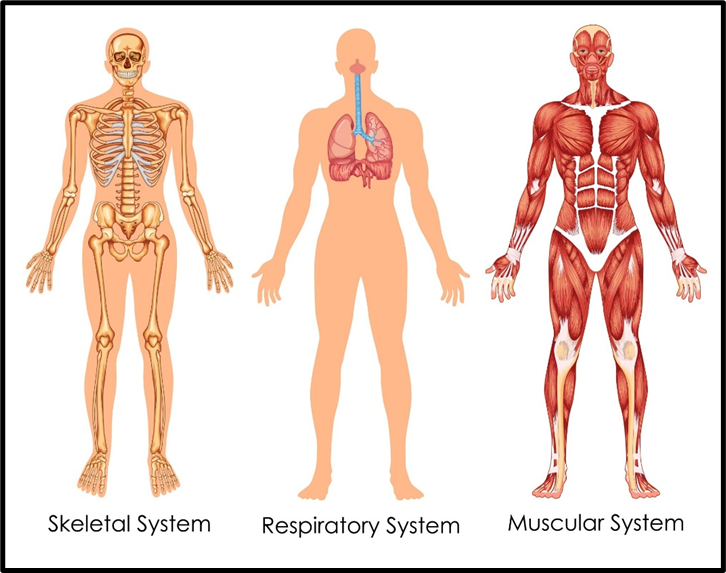
| Skeletal System | 206 bones (adult) | Provides framework and protection |
| Axial skeleton (skull, spine, ribs) | Protects brain, spinal cord, heart, lungs | |
| Appendicular skeleton (limbs, girdles) | Enables movement and environmental interaction | |
| Joints (Part of Skeletal System) | Cartilage | Reduces friction between bones |
| Ligaments | Connect bone to bone | |
| Tendons | Connect muscle to bone | |
| Synovial fluid | Lubricates and cushions joints | |
| Muscular System | Skeletal (striated) muscles | Voluntary movement |
| Smooth muscles | Involuntary movement (organs) | |
| Cardiac muscle | Specialized muscle of the heart | |
| Musculoskeletal coordination | Supports bipedal locomotion (spine, pelvis, legs) | |
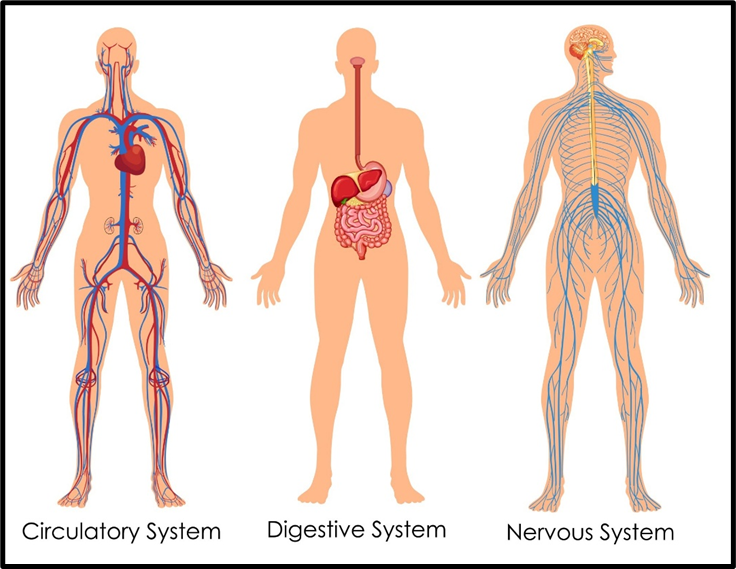
| Nervous System | Central Nervous System (brain, spinal cord) | Control center; cognition, memory, reasoning |
| Peripheral Nervous System | Connects CNS to body parts | |
| Sense organs (eyes, ears, skin, nose, tongue) | Gather environmental information | |
| Circulatory System | Heart | Pumps blood |
| Blood vessels (arteries, veins, capillaries) | Transport oxygen, nutrients, wastes | |
| Respiratory System | Trachea, bronchi, lungs, alveoli | Gas exchange (O₂ in, CO₂ out) |
| Digestive System | Mouth, oesophagus, stomach, intestines | Digestion and absorption of nutrients |
| Liver, pancreas (accessory organs) | Aid in digestion and metabolism | |
| Excretory System | Kidneys, ureters, bladder, urethra | Removal of metabolic wastes (urine) |
| Skin | Excretion through sweat | |
| Endocrine System | Pituitary, thyroid, adrenal glands | Hormonal regulation of growth, metabolism, stress |
| Reproductive System | Male: testes, penis | Sperm production and delivery |
| Female: ovaries, fallopian tubes, uterus | Egg production, fertilisation, foetal development | |
| Integumentary System | Skin (epidermis, dermis, hypodermis) | Protection, temperature regulation |
| Hair, nails, glands | Sensory and protective roles | |
| Lymphatic & Immune System | Lymph nodes, vessels, spleen | Fluid balance and defense |
| WBCs, antibodies | Protection against pathogens |