
History of Arab Unity
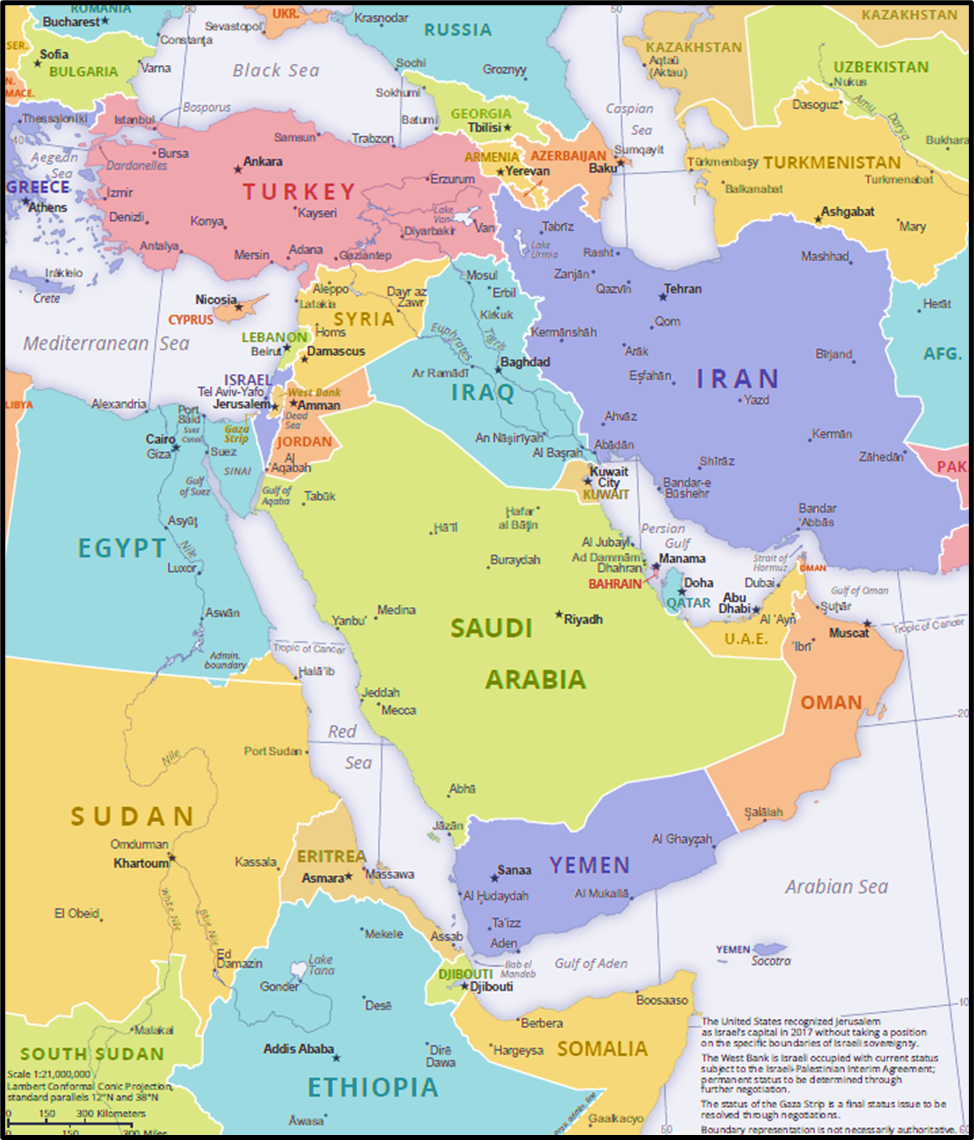
If you look at the map of the middle East region, it appears as a monolithic block of “Arab” identity. But as we peel back the layers, we find a tragic paradox: a deep-seated desire for unity, constantly thwarted by internal fissures and the heavy hand of global superpowers.
The Bedrock of Arab Identity: Common Threads
To understand the Arab world, one must first understand what binds them. It is not just a geographic coincidence; it is a shared soul.
- Firstly, there is the linguistic bond. Arabic is not merely a language; it is the carrier of their civilization and history.
- Secondly, the religious fabric is predominantly Islamic, creating a supra-national identity. While Lebanon presents a unique case with its significant Christian population, the overarching sentiment remains Arab.
Finally, the most potent emotional glue has been the Palestinian cause. The collective trauma of 1948 and the desire to see Israel dismantled to restore Palestinian land became the central pillar of Arab political discourse.
As early as 1931, the Jerusalem Islamic Conference declared Arab lands an “indivisible whole.” This wasn’t just rhetoric; it was a vision for a “United States of the Arab World,” much like the European Union we see today.
Pan-Arabism and the Era of Nasser
The 1950s witnessed the rise of a phenomenon called Pan-Arabism. The protagonist of this era was Gamal Abdel Nasser of Egypt. After standing up to Western powers during the 1956 Suez Crisis, Nasser didn’t just remain an Egyptian leader; he became an Arab icon.
In 1958, this vision took a concrete, albeit brief, shape as the United Arab Republic (UAR)—a merger of Egypt and Syria. It was a high-water mark for Arab unity. However, the dream soured quickly. Syria felt less like a partner and more like an Egyptian province.
By 1961, the union collapsed under the weight of “Egyptian dominance.” Later, even Nasser’s successor, Anwar Sadat, tried a “Federation of Arab Republics” with Libya and Syria, but it remained a paper tiger, lacking the charismatic glue that Nasser once provided.
The Structural Fissures: Why Unity Remained Elusive
Why did a people with so much in common fail to unite? The answer lies in the clash between Tradition and Revolution.
- On one side, you had conservative monarchies like Jordan and Saudi Arabia. These regimes were often pro-British and wary of radical changes.
- On the other side, you had revolutionary republics like Egypt and Syria, who embraced Arab Nationalism and Socialism. This ideological rift turned the Arab world into a house divided.
The final blow to collective unity came in 1979. When Egypt—once the heartbeat of the Arab cause—signed a separate peace treaty with Israel, it was seen as a “betrayal of the blood.” Egypt was expelled from the Arab League, proving that even the strongest common enemy (Israel) couldn’t keep the Arab states from drifting apart.
The Shadow of the Outsider: Western Mandates and Strategic Interests
Now, let us shift our gaze to the “Interference.” The Middle East is a victim of its own geography and geology. It sits at the crossroads of three continents—Asia, Africa, and Europe—making it a strategic prize for any global power.
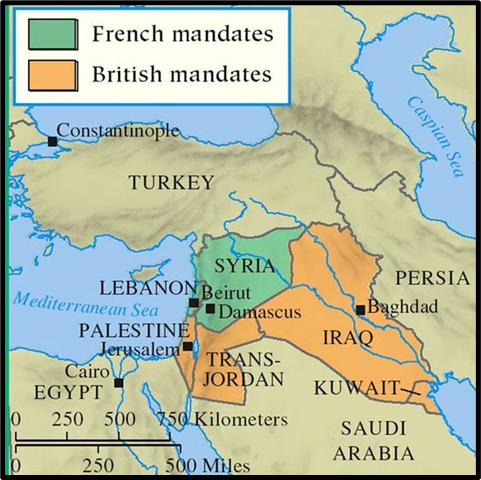
Following World War I, the “Mandate System” allowed Britain and France to carve up the region like a cake.
Britain took Iraq and Jordan; France took Syria and Lebanon.
Even when independence was granted, it was often “semi-independence.” The West wanted two things: cheap oil and friendly regimes. In an era before nuclear energy or North Sea oil, the Middle East’s oil was the literal fuel for European survival.
The Geopolitical Chessboard: Country-Specific Interventions
The interference manifested differently in each nation, leading to a wave of nationalist blowback.
- Egypt and the Suez Turning Point
- The British refusal to leave the Suez Canal zone led to the 1952 revolution.
- When Nasser took over and nationalized the canal in 1956, he essentially told the old colonial powers that their time was up.
- The Suez War ended in British humiliation and signaled the sunset of the British Empire in the Middle East.
- The Fall of Pro-Western Monarchies
- In Jordan, King Abdullah was assassinated in 1951 for being “too British.”
- In Iraq, the pro-British monarchy was brutally overthrown in 1958, and the country withdrew from the Baghdad Pact—a Western-led alliance.
- The Iranian Paradox
- Iran is unique as the only Middle Eastern state bordering the USSR, making it a “Cold War Front.”
- When the nationalist Dr. Mussadiq tried to nationalize oil in 1951, the West orchestrated a boycott that led to his fall. The Shah was reinstated as a Western puppet.
- However, the resentment built up over decades culminated in the 1979 Islamic Revolution under Ayatollah Khomeini. This transformed Iran from a staunch US ally into a defiant, non-aligned Islamic Republic.
Conclusion: The Legacy of Intervention
In summary, the story of Arab unity is a story of “what could have been.” The internal ideological clashes between monarchs and socialists, combined with the relentless interference of powers seeking oil and strategic dominance, ensured that the region remained fragmented.
The interference didn’t just shape borders; it shaped the political psychology of the region. It gave rise to a fierce, sometimes radical, brand of nationalism that viewed the West with deep suspicion. The struggle we see in the Middle East today is, in many ways, an extension of these 20th-century battles for identity, sovereignty, and the right to control one’s own resources.